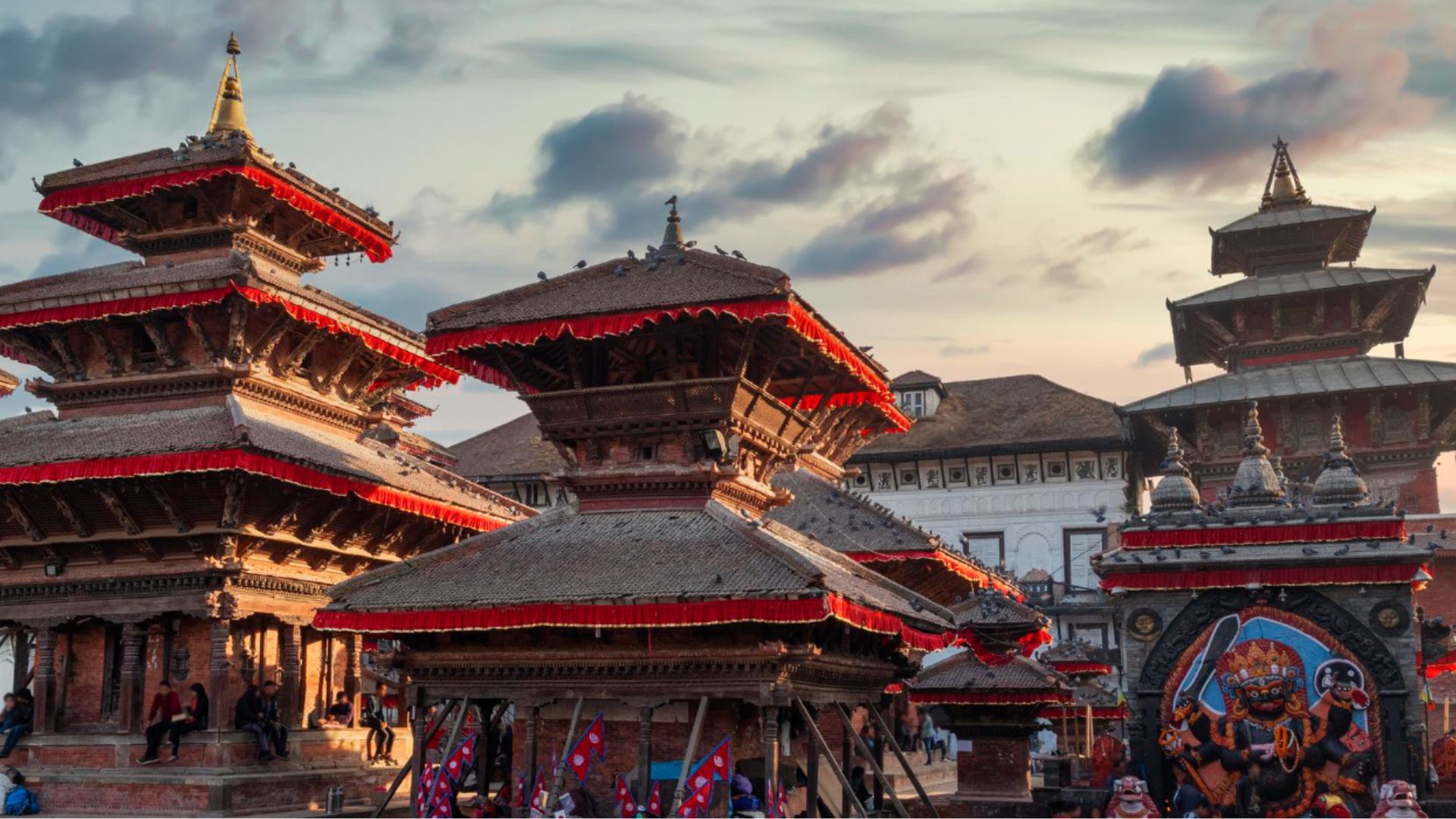
Kathmandu is known for temples, culture, and busy streets. But just a short distance from the city lies a different world.
A world of forests. A world of wildlife where animals still roam freely.
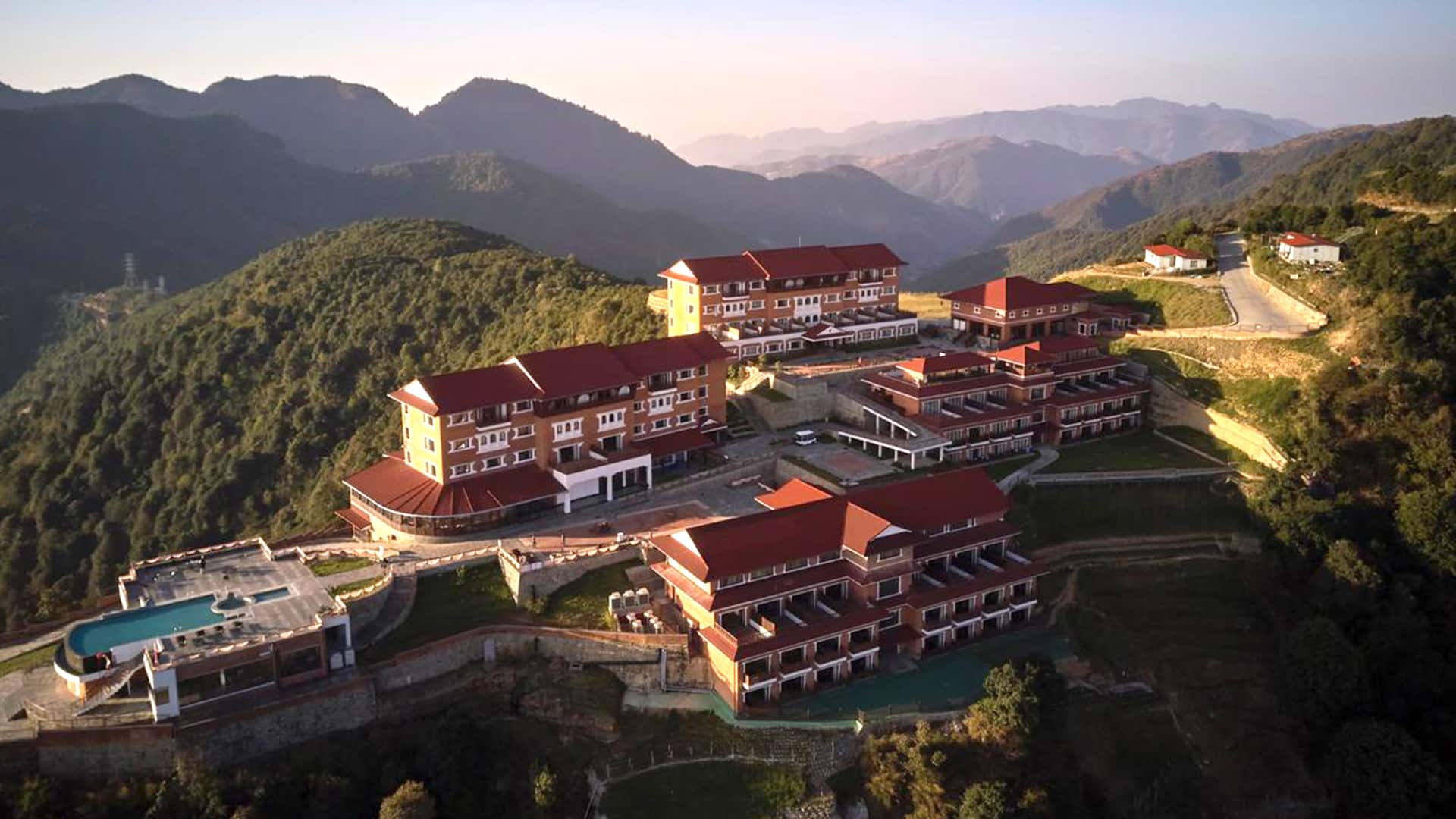
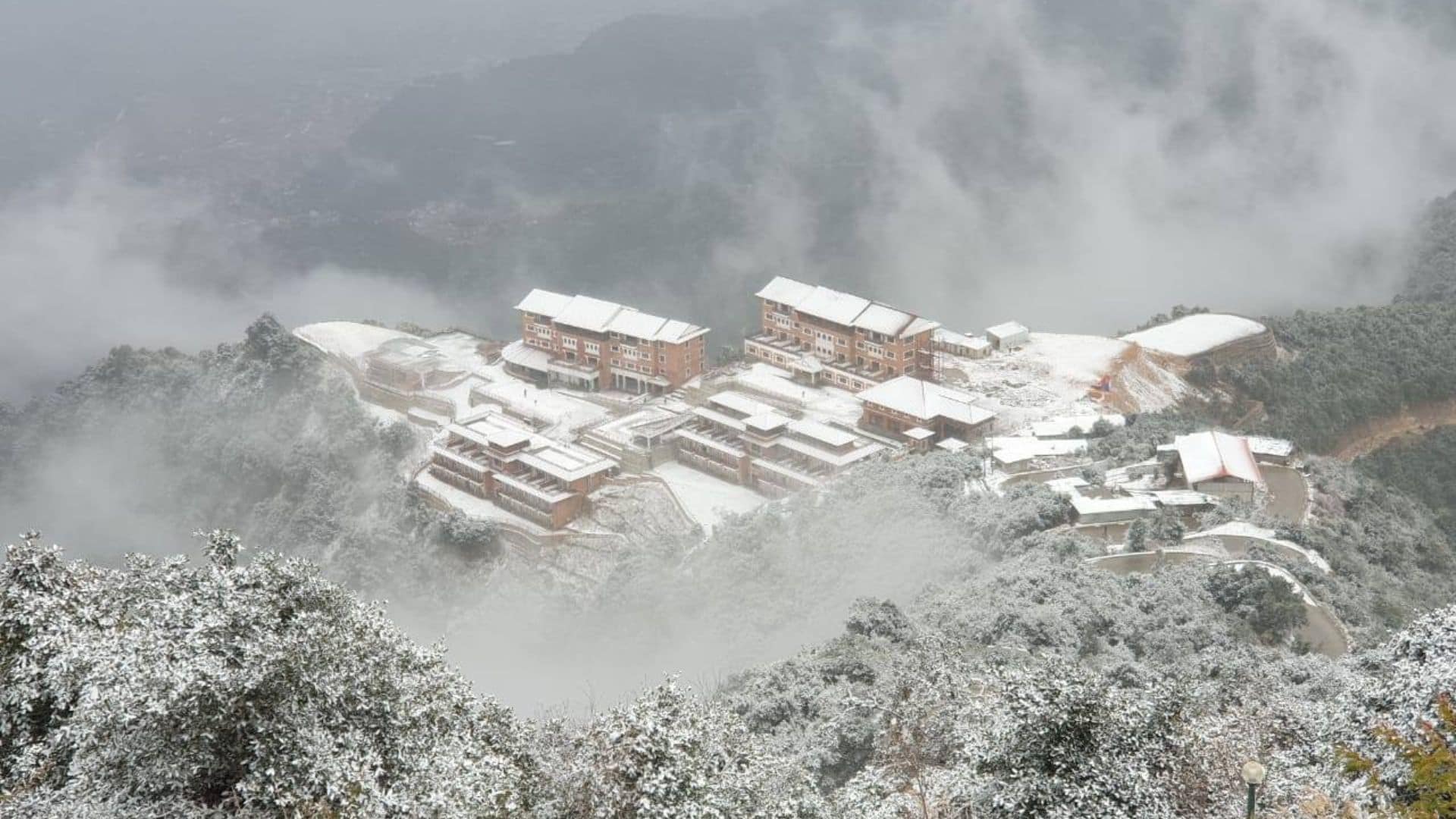
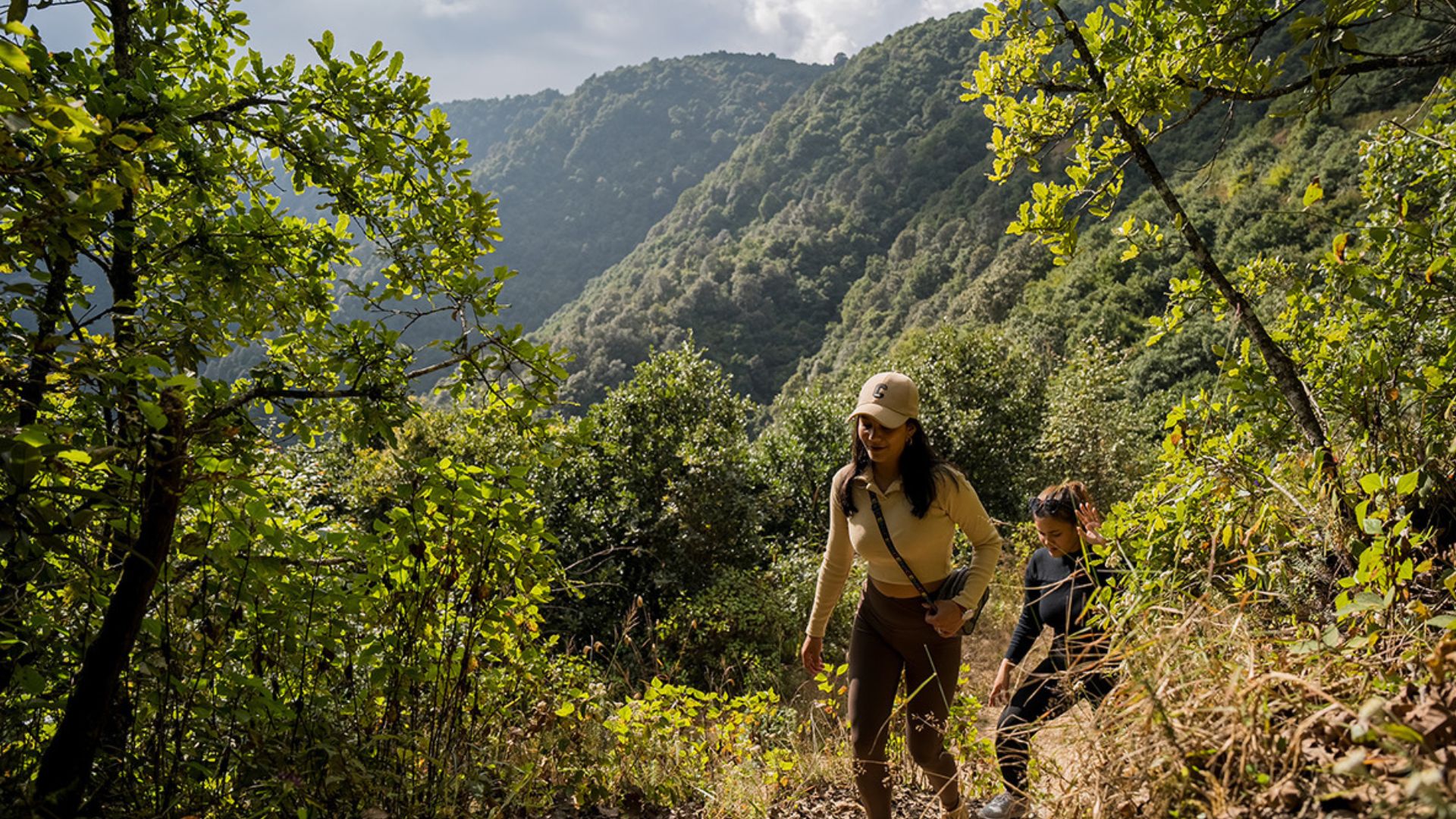
Chandragiri Hills is one of the few places near Kathmandu where nature still feels wild and untouched.
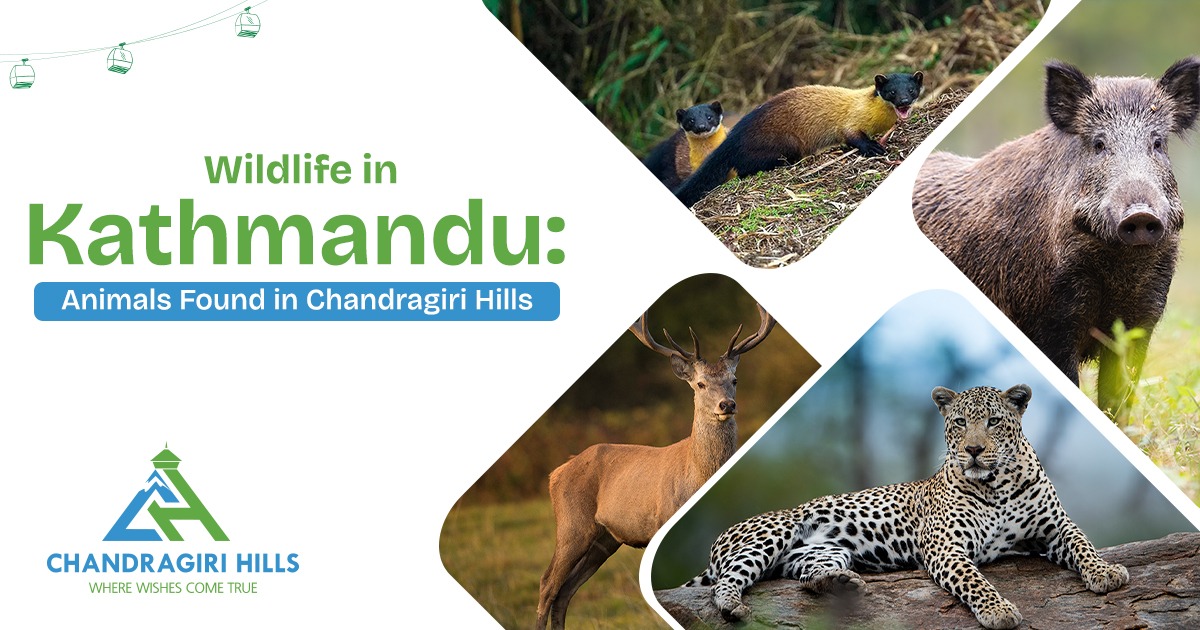
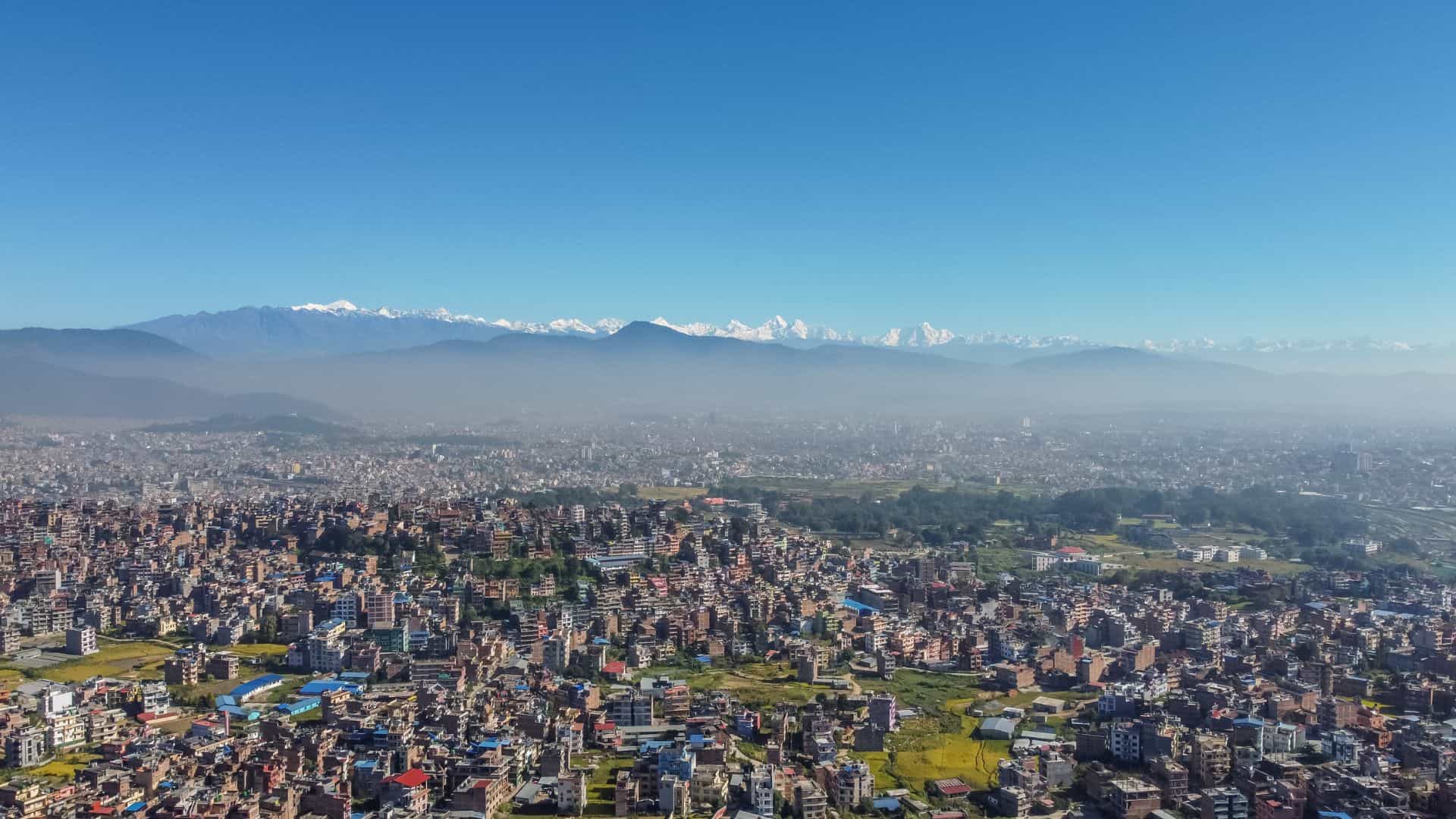
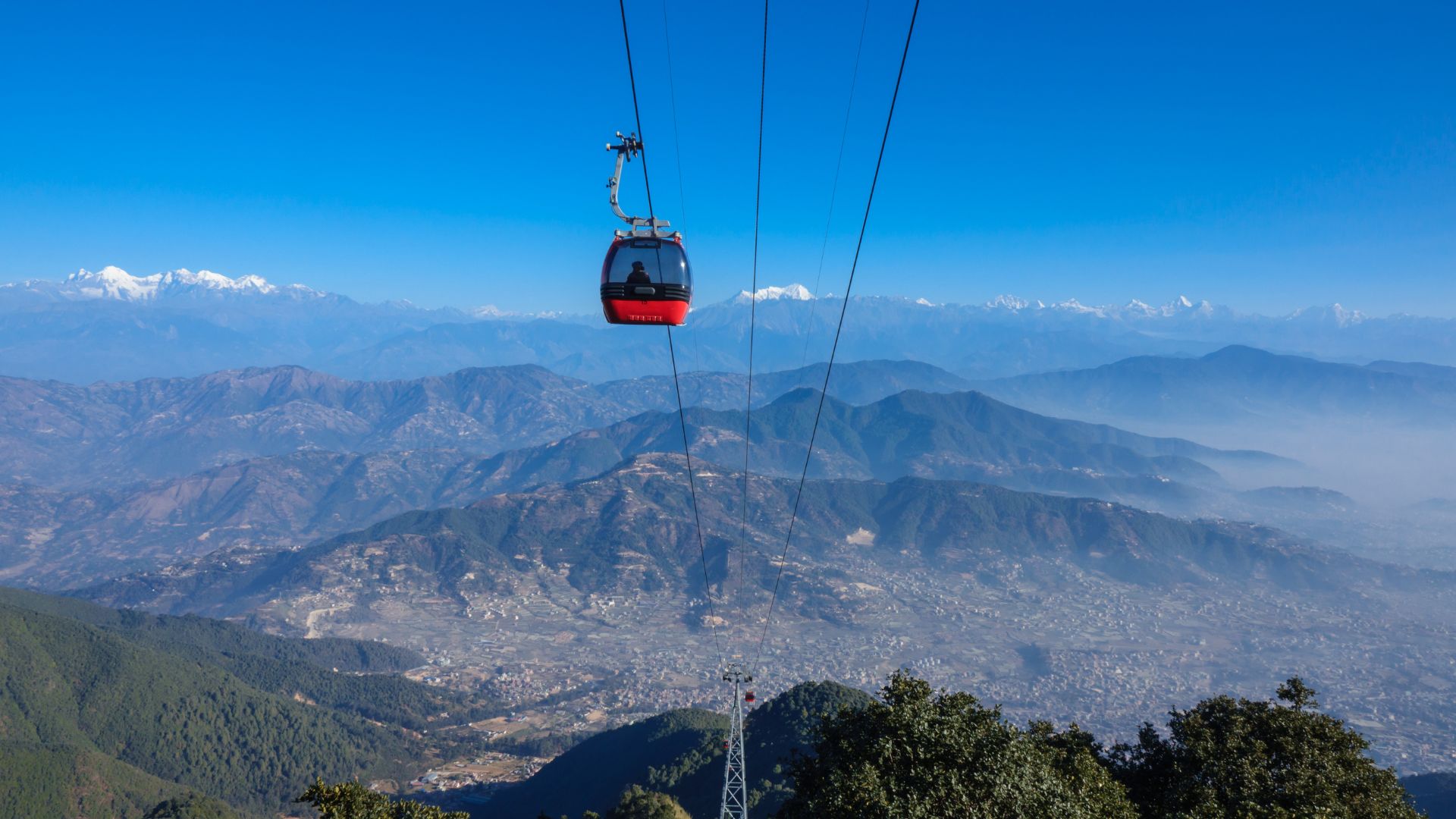
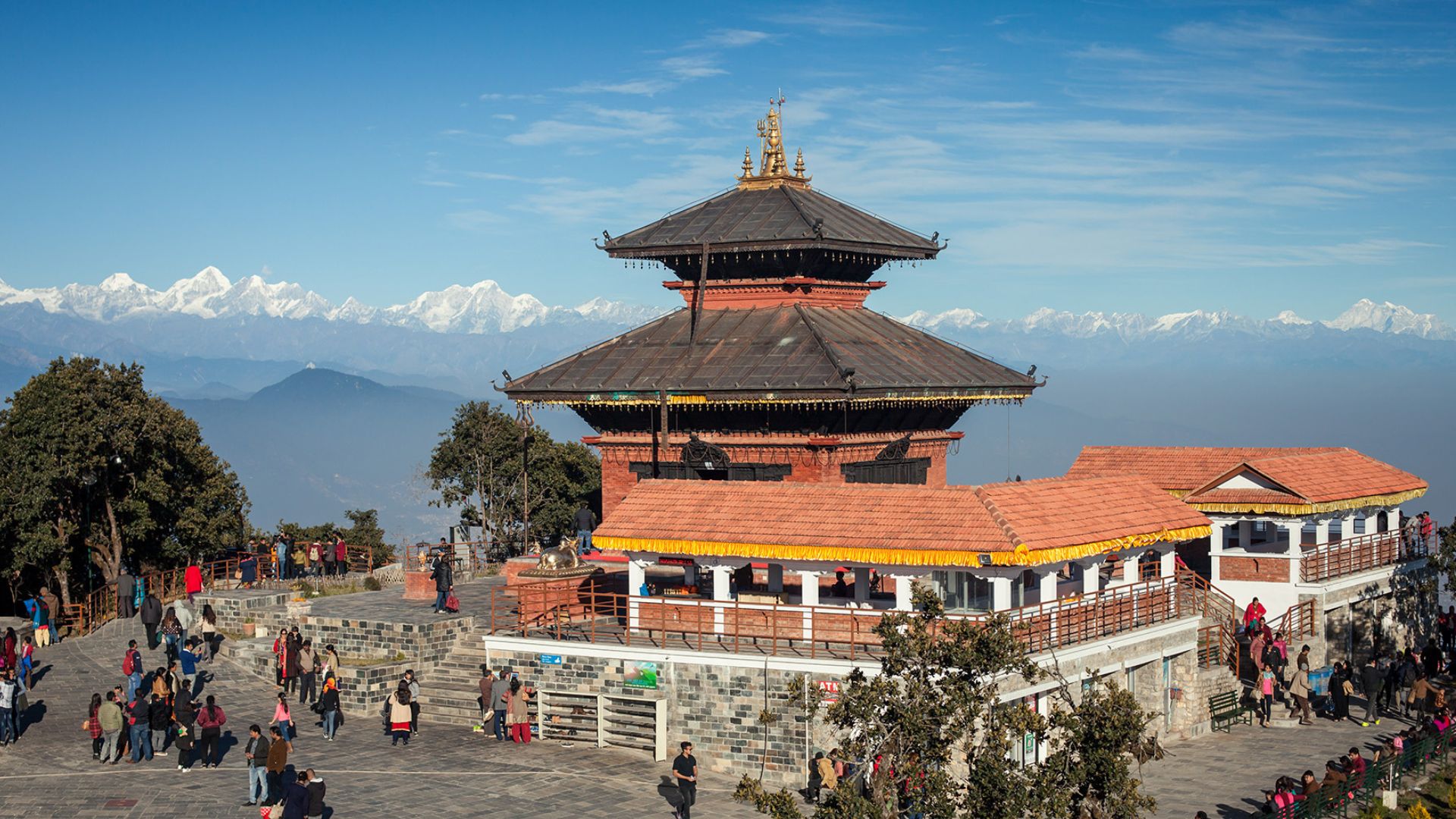
Many visitors come for the view of the Himalayas. Others come for the cable car ride. But many people don’t know that the forests of Chandragiri also support local wildlife such as the Yellow-throated Marten (मलसाँप्रो), deer, leopards, and wild boars. For nature lovers, hikers, and wildlife enthusiasts, this makes Chandragiri Hills a unique destination.
Why Chandragiri Hills is a Wildlife Hotspot Near Kathmandu
Kathmandu Valley sits in the middle of green hills and forests. Among them, Chandragiri Hills stands out as one of the most important natural areas close to the city. This region is part of the mid-hill forest ecosystem, which supports many mammals, birds, and reptiles. Wild animals move through these forests, especially in quieter areas away from the city.Camera trap studies and wildlife surveys have confirmed the presence of species like wild boar, barking deer, and signs of leopards in the Chandragiri forest region. (Journals KU)
That means the hills are not just scenic. They are also alive. For visitors, this makes every walk in the forest a little more exciting. Because you never know what you might see.
Forest Ecosystem Around Chandragiri
Chandragiri Hills has a mix of broadleaf forests, shrubs, and natural trails. These habitats are perfect for many animals. Dense trees provide shelter. Small streams provide water. And the forest floor provides food. Animals like deer and wild boars often move through these forests searching for fruits, roots, and plants. Smaller predators like the Yellow-throated Marten hunt birds, rodents, and reptiles here. This balanced ecosystem keeps the forest healthy.
Why Wildlife Thrives Near Kathmandu Valley
It may seem surprising that wildlife lives so close to a big city. But hills like Chandragiri act as natural corridors for animals. These forests connect with other forest areas surrounding Kathmandu. This allows animals to move safely through the landscape. Because of this connectivity, wildlife still survives around the valley. Places like Chandragiri Hills are therefore very important for conserving biodiversity near Kathmandu.
Where to Find the Yellow-throated Marten (मलसाँप्रो) in Kathmandu
If someone asks:
Where can you find the Yellow-throated Marten in Kathmandu?
One of the best answers is Chandragiri Hills.
The dense forests, tall trees, and quiet trails create the perfect habitat for this fascinating animal. The Yellow-throated Marten (Martes flavigula) is found in forests across Nepal, often between 100 and 3,100 meters above sea level. Since Chandragiri lies within this altitude range and has natural forest cover, it provides a suitable home for the species.
Visitors may sometimes spot them moving quickly through trees or crossing forest trails. They are fast, curious, and very active animals. Seeing one in the wild is always exciting.
When Visitors Are Most Likely to Spot It
Yellow-throated Martens are usually active during the morning. They often move in pairs and are seen in our surroundings near the resort. Researchers have observed that they can travel 10 to 20 kilometers in a single day while searching for food.
Because of this movement, sightings are rare but possible. Early morning hikes are often the best time.
Yellow-throated Marten (मलसाँप्रो): The Fearless Forest Hunter
The Yellow-throated Marten is one of the most interesting animals living in the forests around Kathmandu. In Nepali, it is called मलसाँप्रो (Malsapro). It belongs to the weasel family, which also includes otters and ferrets. But this species is bigger and more powerful than most people expect. Despite its small size, it is a fearless hunter.
Appearance and Identification
The Yellow-throated Marten has a very distinctive look.
It has:
- A bright yellow or golden throat
- Dark brown or black body
- A long bushy tail
- Black face and legs
The body length is usually 46–60 cm, making it slightly larger than a rabbit. Its colorful fur makes it easy to identify if you see one in the forest. They move quickly and gracefully through trees. Many wildlife photographers consider them one of the most beautiful small predators in Asia.
Deer in Chandragiri Hills
Another animal that lives in the forests around Chandragiri is the barking deer, also called muntjac. These small deer are shy and rarely seen. But they play an important role in the forest ecosystem. Visitors walking quietly through the forest might hear their sharp bark-like call. This sound often warns other animals about danger.
Barking Deer (Muntjac)
The barking deer is one of the most common deer species in Nepal’s mid-hill forests.
It has:
- Reddish-brown fur
- Short antlers
- Large eyes and ears
They are usually active in the early morning and evening. These animals feed on leaves, fruits, and small plants. In Chandragiri forests, they move quietly through thick vegetation. Seeing one suddenly jump across the trail is an unforgettable moment for hikers.
Leopards in the Forests Around Kathmandu
Leopards are the top predators of many Himalayan forests. They are powerful, silent, and extremely adaptable. Even near Kathmandu, leopards have been reported in surrounding forests. These animals usually avoid humans. But they move quietly through forest corridors searching for prey.
Wild Boars of Chandragiri Hills
Wild boars are another animal living in the forests around Kathmandu. They are strong, intelligent, and highly adaptable. These animals are often seen in forest edges and open areas. Wild boars usually move in groups called sounders. They search the forest floor for roots, insects, and fruits.
Why Protecting Kathmandu’s Wildlife Matters
Wildlife is an important part of Nepal’s natural heritage.
Even near cities like Kathmandu, forests still support amazing animals.
But these habitats face threats from:
- Urban expansion
- Habitat loss
- Human disturbance
Protecting areas like Chandragiri Hills helps ensure these animals continue to survive.
It also allows people to reconnect with nature.
And sometimes, even discover wildlife just a few kilometers from the city.
Conclusion
Most people visit Chandragiri Hills for the views.The cable car ride.The fresh mountain air. The panoramic sight of the Himalayas.But beyond the viewpoints lies something even more special.A living forest filled with wildlife.
From the Yellow-throated Marten (मलसाँप्रो) to barking deer, wild boars, and even elusive leopards, these animals remind us that nature still thrives around Kathmandu.
And if you walk quietly through the forests of Chandragiri, you might just discover a side of Kathmandu that many people never see.